 Packaging & Shipping
 Tiles
Tiles Natural Stones
Aesthetica Wilde is positioned as a premium marble-look tile option for design teams that want timeless stone expression with the practical advantages of modern porcelain manufacturing. It is a strong choice for spaces that require visual sophistication, repeatable quality, and easier maintenance planning.
At specification level, porcelain tile performance is commonly evaluated through recognized standards such as ISO 13006 and EN 14411. Porcelain categories are generally associated with water absorption up to 0.5%, which supports moisture resistance, dimensional stability, and broad suitability across interior applications.
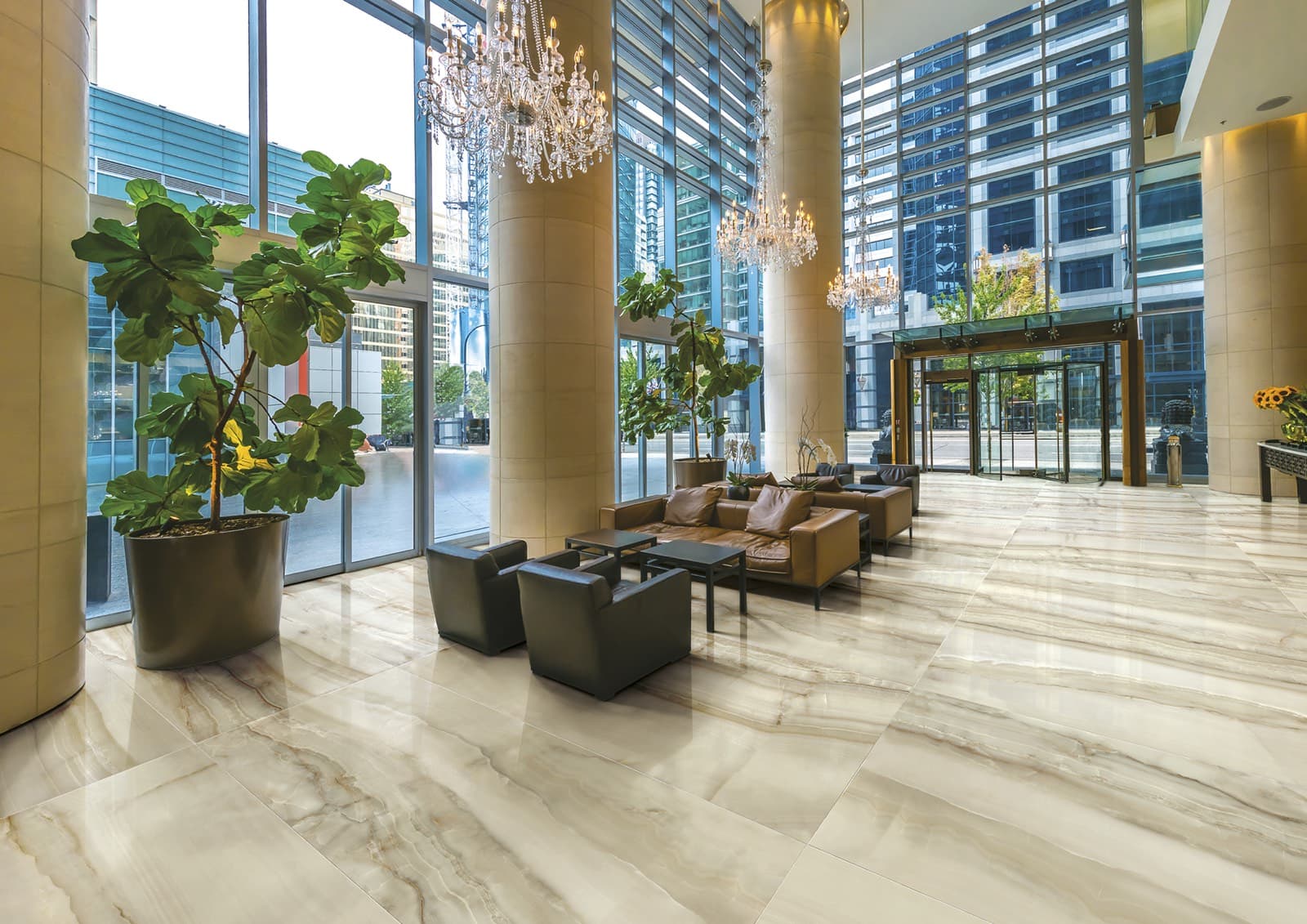
Why Aesthetica Wilde Works in Premium Interior Programs
Marble Aesthetic with Porcelain Utility
Captures premium veining language while supporting practical day-to-day operation.
Low Water Absorption Class
Porcelain categories aligned with EN 14411/ISO 13006 support strong moisture performance.
Scalable Interior Use
Suitable for living spaces, lounges, feature walls, and selected commercial interiors.
Abrasion-Aware Selection
Surface wear behavior is typically assessed through PEI/ISO 10545-7 test frameworks.
Design Continuity
Lets architects carry a unified visual identity across multiple rooms and transitions.
Lifecycle Efficiency
Supports predictable cleaning protocols and lower long-term upkeep complexity.
Technical Snapshot for Specification Teams
| Parameter | Specification Guidance |
|---|---|
| Material Category | Marble-look porcelain tile for architectural interiors |
| Water Absorption Benchmark | Porcelain classes typically use up to 0.5% limit under EN 14411 / ISO 13006 frameworks |
| Abrasion Evaluation | Surface wear suitability generally reviewed with PEI/ISO 10545-7 or ASTM C1027 context |
| Slip Planning | DCOF-based planning is often used for wet zones; verify target values per project code and region |
| Installation Priority | Use porcelain-rated adhesive systems, proper substrate prep, and movement joint detailing |
Design Planning Checklist
- Build a sample panel with grout options before final signoff.
- Coordinate tone movement with lighting temperature and room scale.
- Use larger modules to reduce visual breaks in premium living zones.
- Map transition pieces early for stair, threshold, and skirting zones.
Performance Planning Checklist
- Validate wear class against expected footfall and use profile.
- Use slip-aware surfaces for bathrooms and moisture-prone transition areas.
- Specify cleaning chemistry that protects finish and grout performance.
- Set a replacement/wastage allowance before procurement closure.
Aesthetica Wilde Visual References
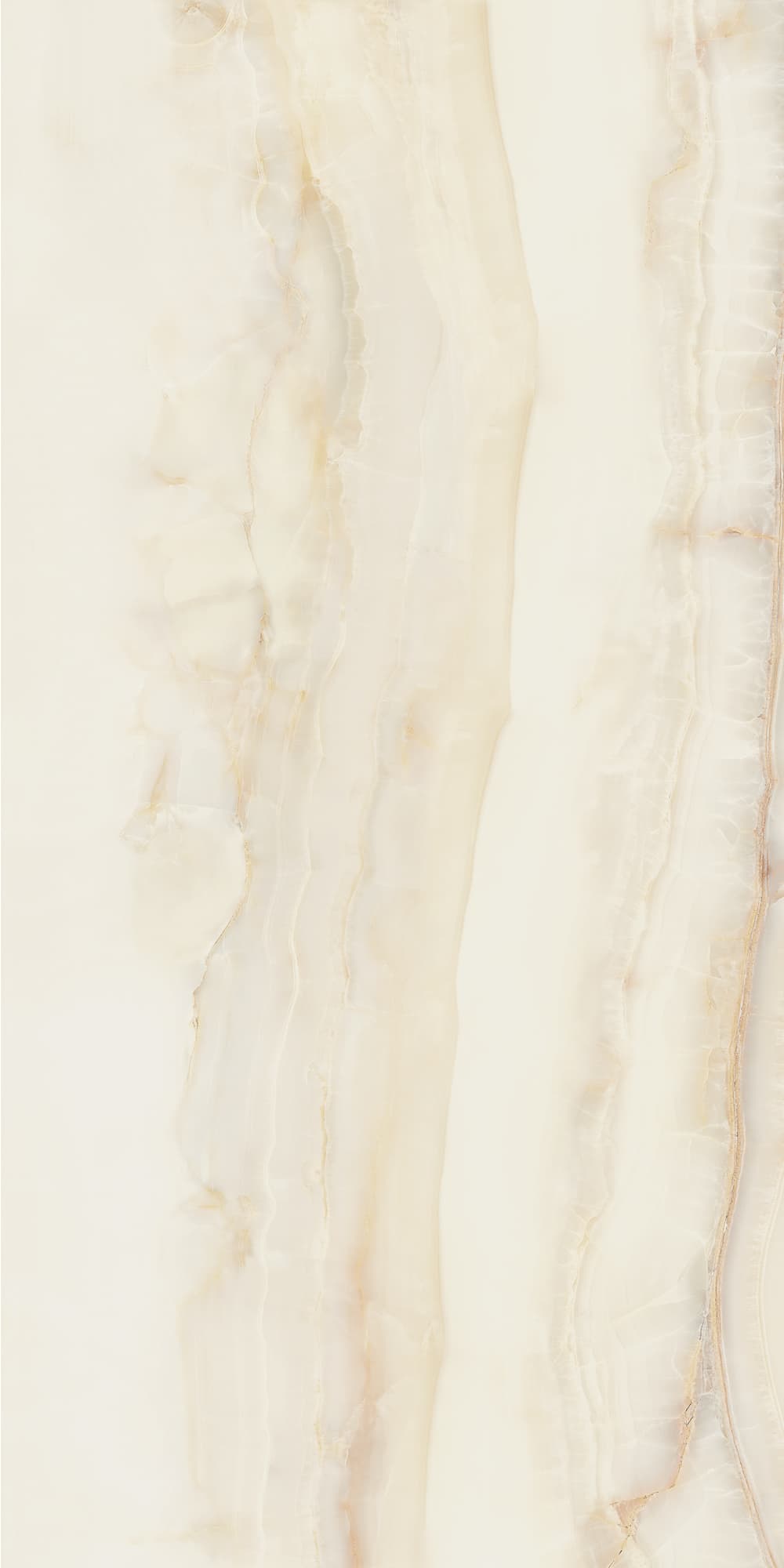
Vector view for pattern and face movement evaluation.
Interior application reference with balanced contemporary styling.
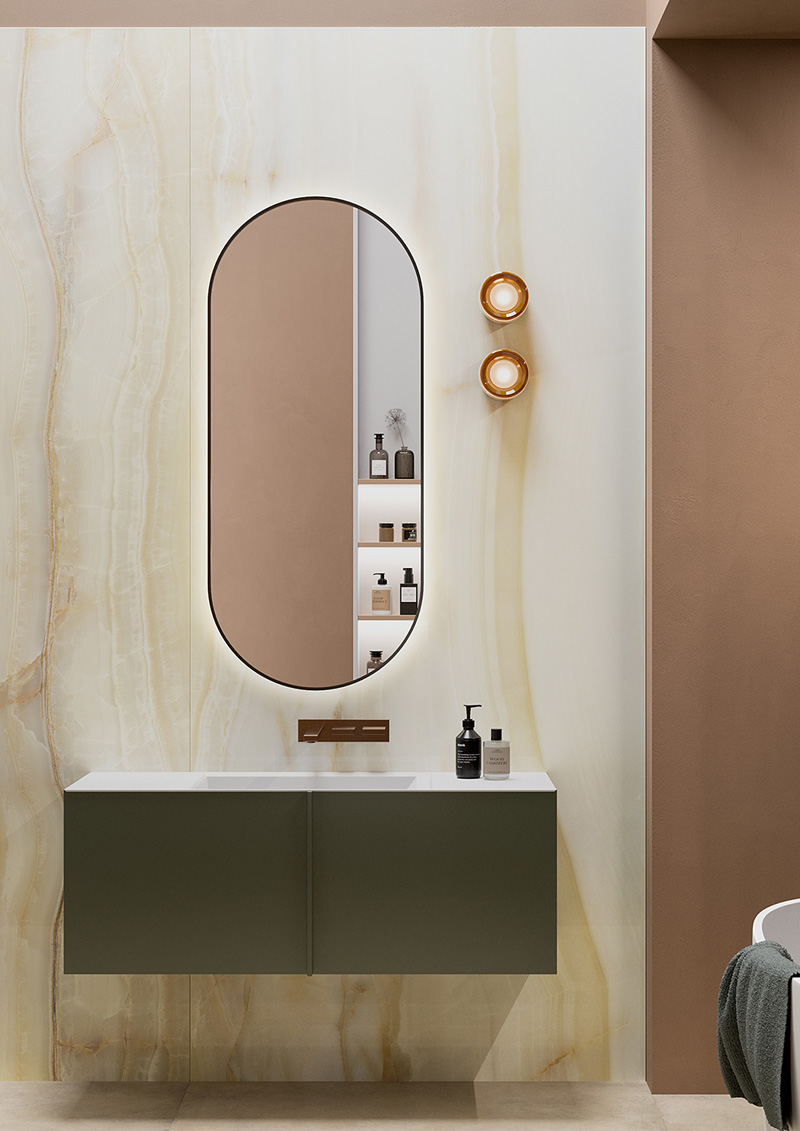
Interior usage concept showing visual continuity across surfaces.
Frequently Asked Questions
No. It can also be specified for premium hospitality and commercial interiors where marble aesthetics and operational practicality are both required.
Porcelain classes with very low absorption generally support stronger moisture behavior and dimensional reliability in interior environments.
Use slip-aware finishes for wet floors, and confirm selection with project safety criteria and local code requirements.
They often reduce grout lines visually and functionally, but proper installation and cleaning protocols remain essential.
Yes, with adhesive and substrate systems suitable for orientation, load conditions, and application environment.
Finalizing only by appearance without validating technical suitability, wastage allowance, and installation strategy.
Planning an Aesthetica Wilde Project?
Get support on module planning, finish suitability, installation guidance, and procurement-ready specification notes.
Quick Aesthetica Wilde Summary
| Category | Summary |
|---|---|
| Material Type | Marble-look porcelain tile for premium interiors |
| Key Standards Context | ISO 13006 / EN 14411 (porcelain classification and performance framework) |
| Water Absorption Benchmark | Porcelain categories commonly aligned to max 0.5% |
| Best Use Zones | Living areas, hospitality interiors, feature walls, and selected wet-adjacent zones |
| Planning Priority | Balance design intent with abrasion, slip, and installation suitability checks |