 Packaging & Shipping
 Tiles
Tiles Natural Stones
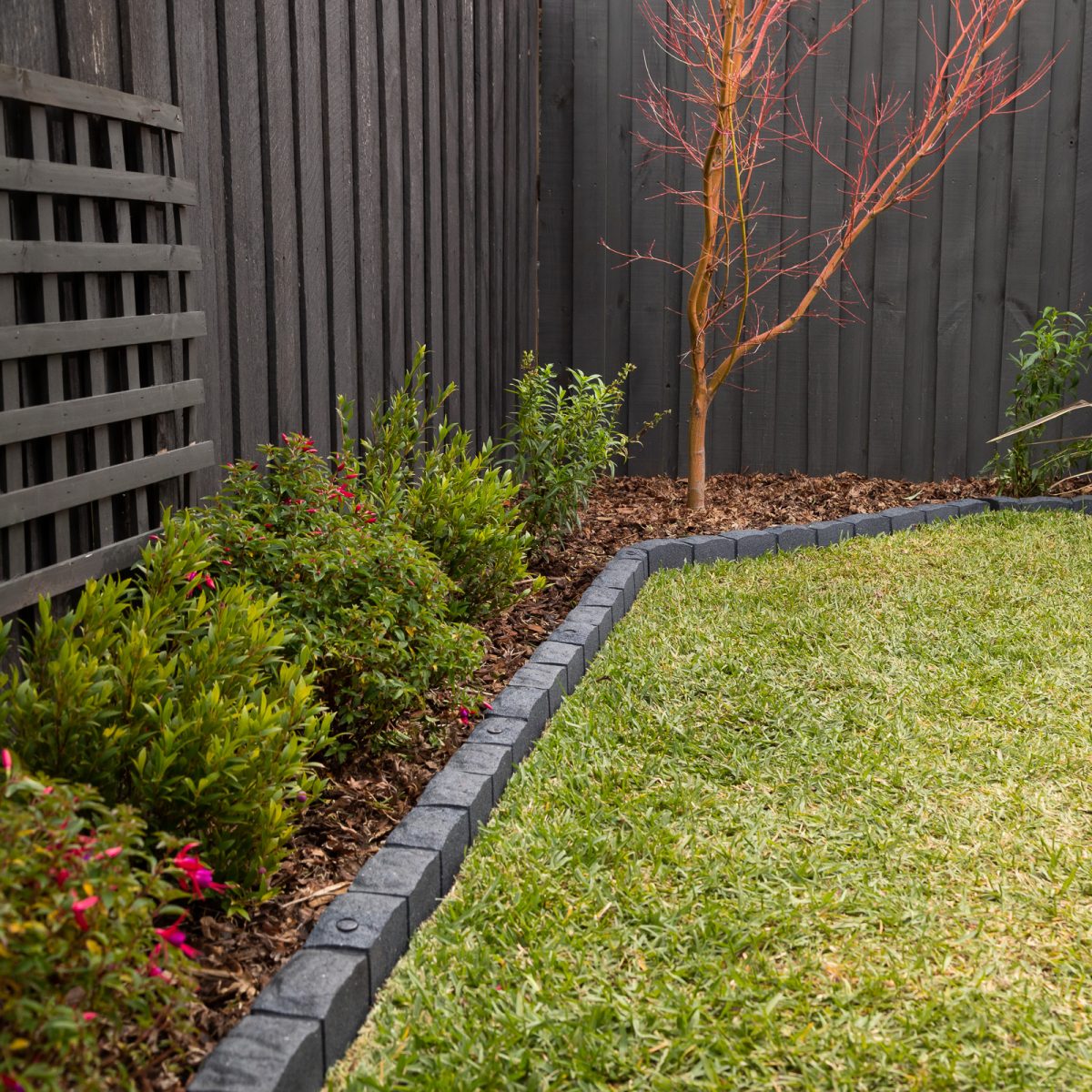
Natural Stone Edgings are one of the most important detailing elements in successful landscape projects. They define boundaries, hold paving and aggregate in place, protect planted zones, and create a clean visual finish between different outdoor surfaces.
In both residential and commercial landscapes, edging is not just decorative. It acts as a functional restraint line that improves layout clarity, reduces material migration, and supports long-term maintenance efficiency.
What Are Natural Stone Edgings?
Natural Stone Edgings are linear stone units installed at boundaries between lawns, planting beds, pathways, and hardscape fields. Depending on layout and section design, they can perform as visual separators, edge restraints, and surface-control components.
Compared with lightweight alternatives, stone edgings offer stronger impact resistance, better weather durability, and a more premium architectural character over time.

Why Stone Edgings Are Widely Specified
Strong Edge Restraint
Helps contain paving, gravel, and soil interfaces to keep landscape geometry stable over time.
Clean Visual Definition
Creates clear boundary lines between lawns, beds, paths, and hardscape zones.
Long Service Life
Natural stone withstands outdoor exposure, moisture cycling, and routine landscape operations.
Works With Curves and Straights
Supports both formal linear layouts and flowing garden curves with consistent detailing.
Low Lifecycle Maintenance
Improves maintenance efficiency by preventing edge collapse and material spread.
Premium Landscape Finish
Adds a crafted, durable edge language that elevates overall project quality.
Main Applications
- Lawn-to-bed separation and planting containment
- Pathway, patio, and driveway boundary definition
- Gravel area retention and transition control
- Public landscape edge detailing and circulation lines
- Hospitality and resort garden finishing
- Residential hardscape framing and border enhancement
When specified correctly, edging improves both aesthetics and performance by organizing movement and reducing edge deterioration in frequently used outdoor spaces.
Application Matrix
Use this matrix to align profile style with landscape function. Final fixing, foundation, and embedment should be selected according to site condition and loading.
| Landscape Area | Primary Function | Specification Priority |
|---|---|---|
| Lawn Perimeter | Contain turf and define clean edge | Alignment accuracy and mowing compatibility |
| Pathway Border | Hold paving line and edge material | Consistent level and edge restraint strength |
| Planting Beds | Separate mulch/soil from hardscape | Height control and visual continuity |
| Driveway Edge | Define carriageway boundary | Durability and secure base/fixing |
| Public Landscape | Guide circulation and zoning | Long-term performance and maintenance ease |
Design and Detailing Advantages
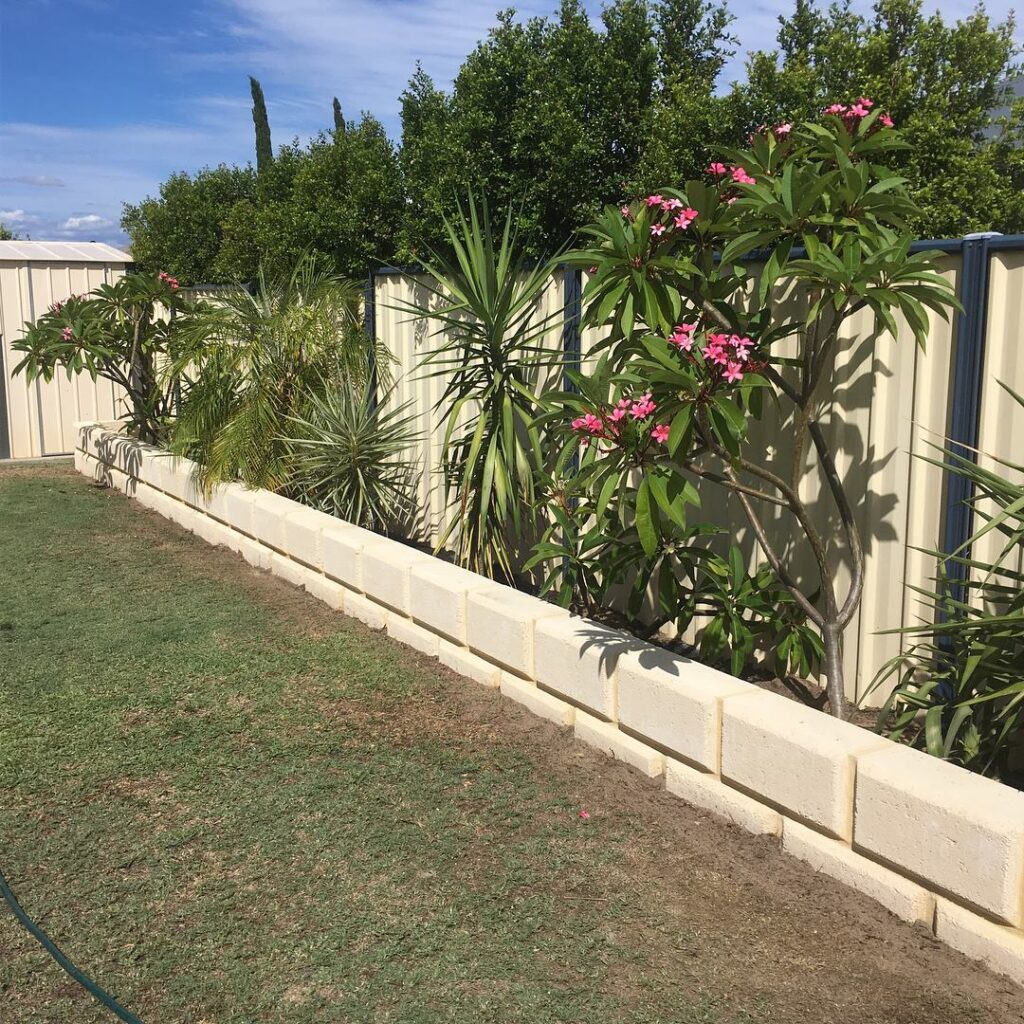
Stone edgings allow design teams to create consistent edge language across the landscape. They can frame paving fields, terminate lawn edges, and tie together transitions between softscape and hardscape in a cohesive way.
From a technical perspective, they also help preserve intended geometry by reducing lateral spread of adjacent materials and maintaining crisp border lines after repeated use.
Surface Finishes and Profile Character
Edging finish selection should reflect both visual direction and practical handling needs.
| Finish/Profile Type | Visual Character | Typical Use |
|---|---|---|
| Natural / Split | Textured, handcrafted stone look | Rustic gardens, heritage-inspired layouts |
| Sawn / Clean Edge | Sharp, contemporary line quality | Modern hardscape and formal landscapes |
| Tumbled Effect | Softened edges, aged character | Classic patios and cottage-style gardens |
| Mixed Natural Variation | Rich tonal depth across border lines | Large landscapes requiring visual texture |
Standard Size and Customization
The most commonly supplied edging size is:
Standard Edging Dimension
- 60 x 14 x 4 cm (Length x Height x Thickness)
Custom Option
- Custom sizes are available upon request based on project needs
- Suitable for both straight runs and curved layouts
- Profile and finish combinations can be aligned to design intent
Edging Stone Article Profiles
Below are representative edging profile references from your article image set.

Profile Reference A
Visual Notes
- Natural textured face
- Clear linear edge expression
- Suitable for defined garden borders

Profile Reference B
Visual Notes
- Stronger profile contrast
- Good for contemporary edging lines
- Works with modern paving palettes

Profile Reference C
Visual Notes
- Natural split-style character
- Depth-rich stone texture
- Ideal for softscape-focused projects
Usage Gallery
Usage example showing stone edging as a clear landscape boundary element.
Application detail highlighting clean transition between planted and paved areas.
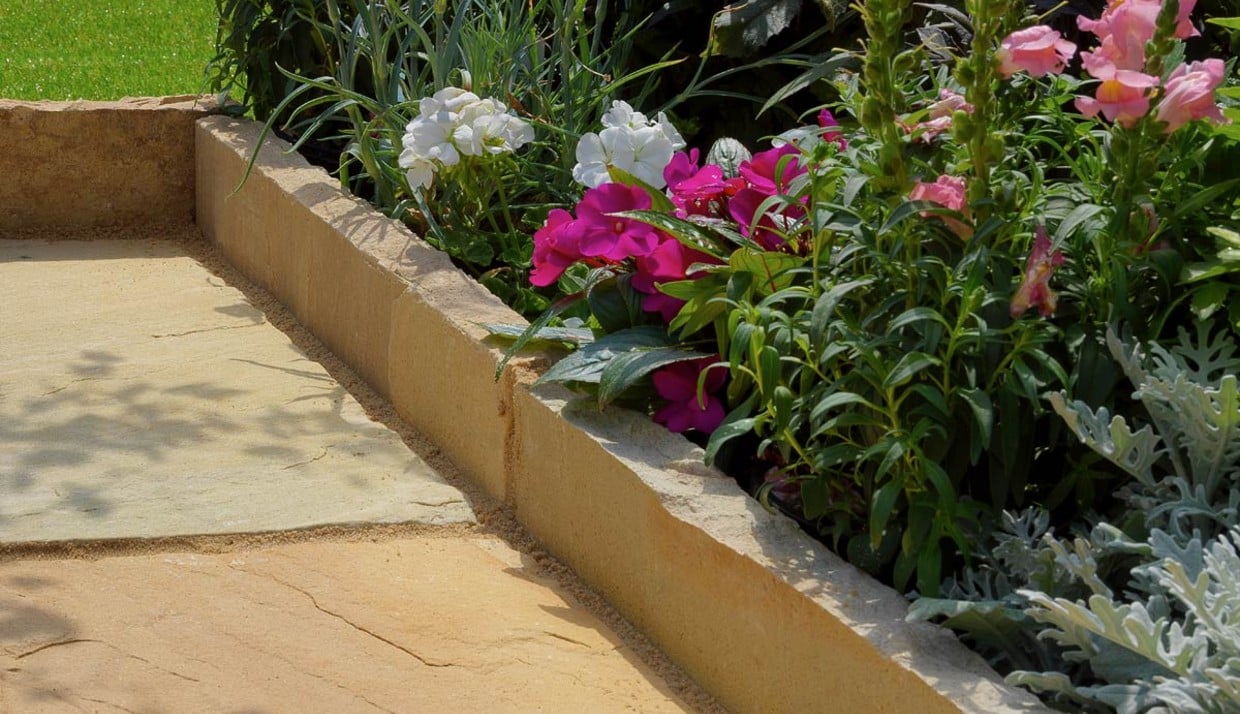
Practical edging layout used to frame outdoor circulation zones.
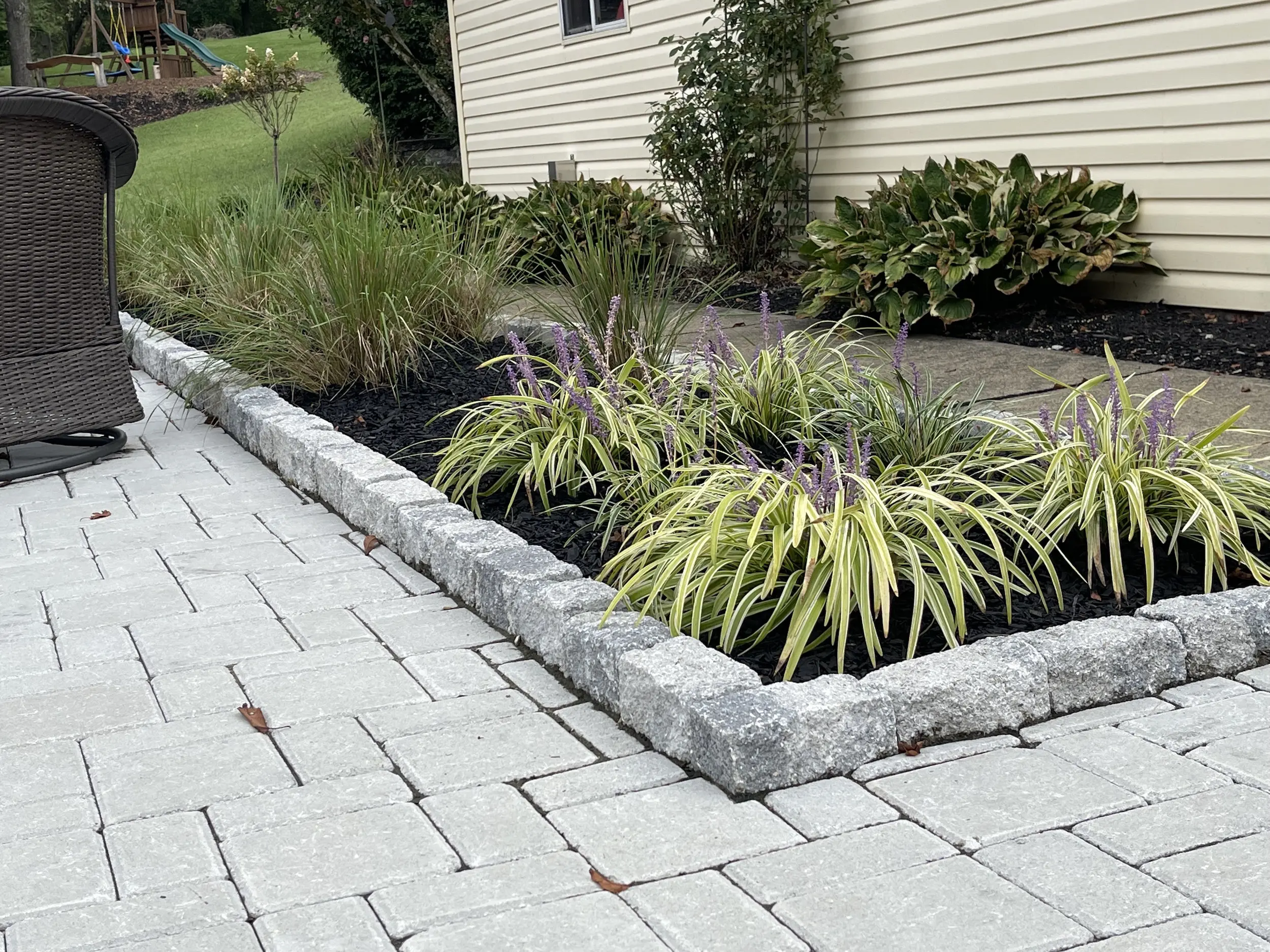
Landscape composition where edging supports visual order and material control.
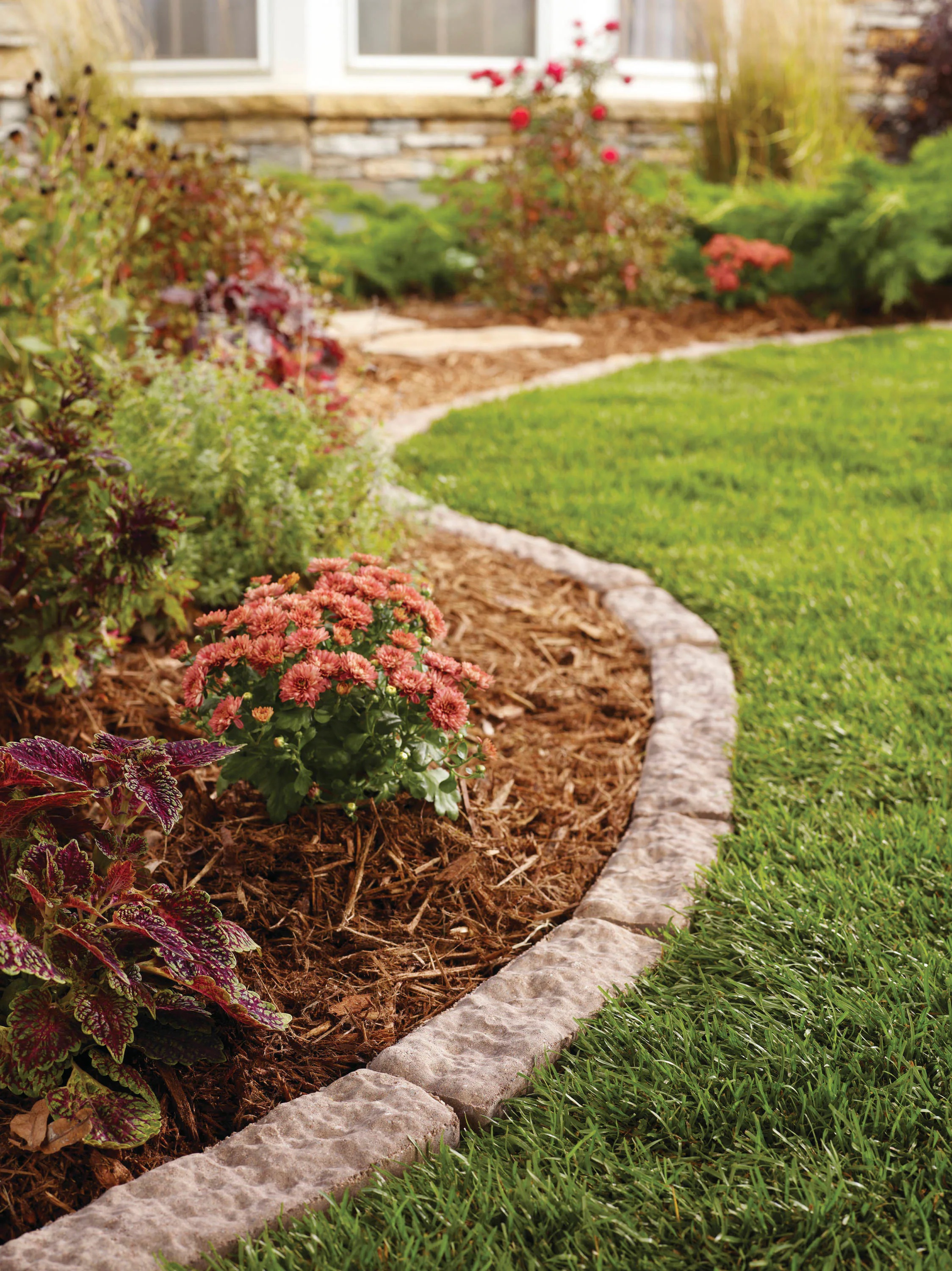
Curved-edge application demonstrating flexible border routing in garden layouts.
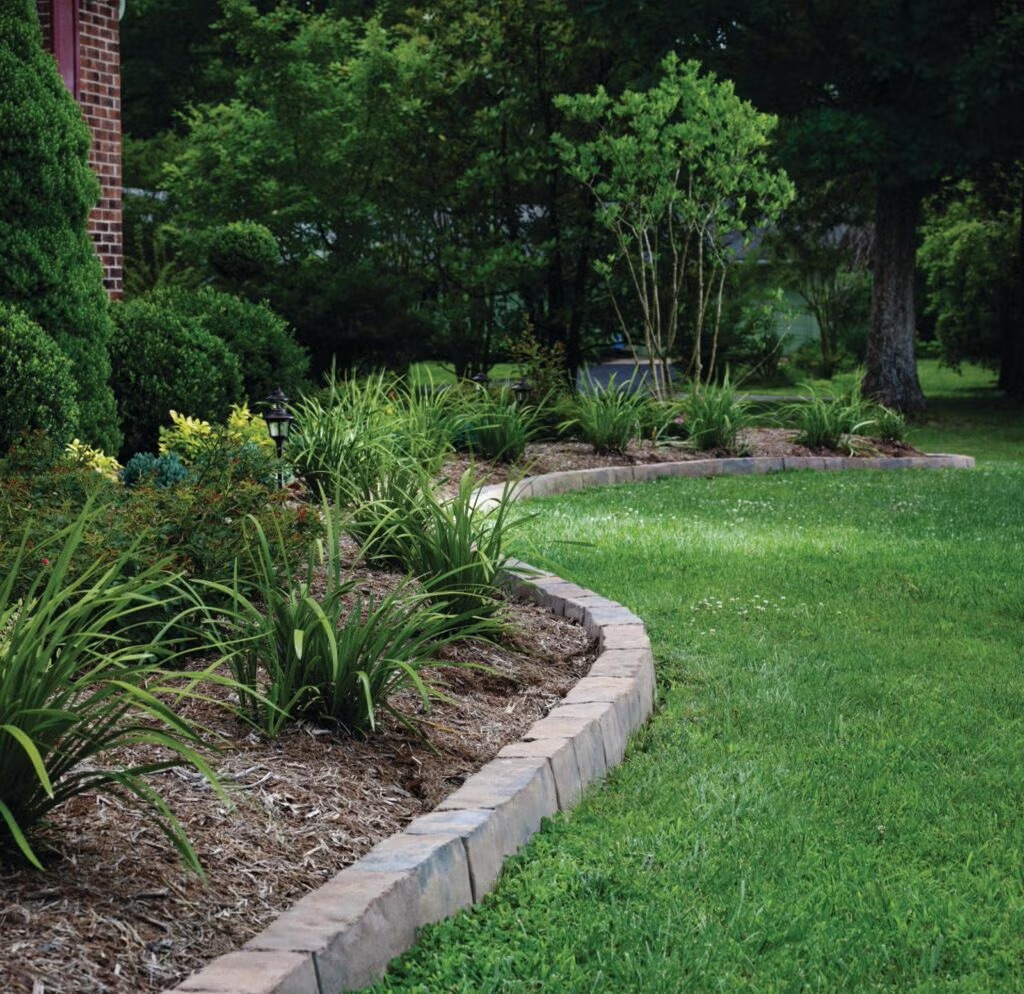
Stone edging used for multi-zone landscape separation with strong visual finish.
Performance and Specification Considerations
Base and Fixing Integrity
Edgings should be installed with suitable bedding/fixing for expected site movement and edge pressure.
Level and Line Control
Accurate string lines and level management are essential for visually consistent edge runs.
Drainage Compatibility
Edge details should align with drainage falls so water is not trapped at border interfaces.
Movement and Transition Points
Transitions at steps, curves, and surface changes need careful detailing to maintain long-term stability.
Blend and Batch Management
Blend from multiple packs during installation to achieve balanced natural color distribution.
Mock-Up Validation
A sample edge run helps verify finish, profile, and visual scale before full installation.
Frequently Asked Questions
The usual available size is 60 x 14 x 4 cm (Length x Height x Thickness), with custom sizes available on request.
Yes. Stone edgings are commonly used in both straight and curved alignments, depending on module selection and installation method.
No. They are both decorative and functional, helping with boundary definition, edge restraint, and material containment.
Typical use areas include garden beds, lawns, pathways, driveways, patios, and public landscape boundaries.
Select based on project style, surrounding paving materials, and required visual contrast. Mock-ups are recommended for final confirmation.
Yes, custom dimensions and profile options are available to meet specific design and site requirements.
Planning an Edgings Package for Your Landscape Project?
Our team supports profile selection, quantity planning, and size coordination for residential, commercial, hospitality, and public realm work.
Quick Product Summary
| Feature | Details |
|---|---|
| Product Type | Natural Stone Edgings |
| Core Applications | Lawn borders, planting beds, pathway edges, driveway boundaries, landscape detailing |
| Standard Size | 60 x 14 x 4 cm |
| Custom Sizes | Available upon request |
| Profile Function | Boundary definition, edge restraint, visual finishing |
| Design Compatibility | Straight and curved edge layouts |
| Material Value | Durable natural stone with long-term outdoor performance |
This guide follows established landscape edging practice where stone edge units serve both decorative and structural boundary functions; final specification should always align with project load, drainage, and installation method.